
Różnica między oudem syryjskim a pozostałymi
Można powiedzieć, że początki ouda sięgają starożytności, że instrument przekazywano z pokolenia na pokolenie i że trwa do dziś. Istnieją rodzaje ouda szeroko używane dzisiaj. Najpowszechniejszym rodzajem jest oud arabski. Gdy mowa o oudzie arabskim, na myśl przychodzą Afryka Północna, Palestyna, Liban, Jordania, Syria, Irak, Półwysep Arabski i Iran. Rodzajem ouda, któremu się przyjrzymy, jest oud syryjski. Oud syryjski ma tę właściwość, że wydobywa wiele barw. Można powiedzieć, że to główna cecha odróżniająca go od pozostałych.
Zanim kupisz oud, musisz poznać wszystkie jego cechy i wybrać instrument idealny dla siebie. Każdy oud jest inny. Kryteria, które odróżniają rodzaje ouda od siebie, są następujące:
- Kształt
- Wymiary
- Wykonanie
- Materiał
- Waga
- Trwałość
- Brzmienie
- Podstrunnica
- Balans strun
O oudzie

Korzenie ouda sięgają 3500 lat wstecz. Oud używany w Turcji nie różni się budową od oudów z innych krajów, ale pudła rezonansowe oudów arabskich są zwykle większe i mają jeden duży otwór zamiast dwóch małych i jednego dużego. Poza kilkoma zmianami oud zachował swoją budowę od około tysiąca lat.
Oud, instrument bezprogowy, należy do grupy instrumentów strunowych, a skala dźwiękowa tego instrumentu obejmuje 3 oktawy. Piękne brzmienie ouda zapewnia puste pudło rezonansowe, które drga przy szarpaniu strun. Do gry na oudzie używa się kostki. Przy budowie ouda preferuje się gatunki drewna mocne i trwalsze, takie jak mahoń i grab. Dawniej stosowano struny plecione, dziś – nylonowe.
Może Cię zainteresować: Jak skutecznie nauczyć się grać na oudzie?
Czym jest oud syryjski?

Gdy mowa o oudzie, od razu przychodzi na myśl jego pochodzenie. Oud syryjski zalicza się do kategorii oudów arabskich i jest jednym z najważniejszych rodzajów. Uchodzi za instrument o przeciętnych parametrach. To całkiem dobry wybór przy zakupie. Największym wytwórcą oudów w świecie syryjskim, a ogólnie w świecie arabskim, jest „That's”.
Jakie są inne rodzaje ouda?
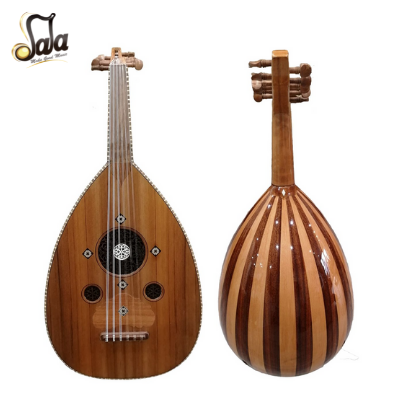
Zasadniczo istnieją dwa rodzaje ouda. Pierwszy to arabski, drugi – turecki. Oud arabski dzieli się wewnętrznie na odmiany. Oudy arabskie i tureckie mają swoje charakterystyczne cechy. Najbardziej znane rodzaje ouda to:
Oud tureckiBrzmienie ouda tureckiego jest łagodne. Oud turecki projektuje się z wyraźną wysokością strun rzędu dwóch lub trzech milimetrów. Dzięki temu rozwiązaniu daje grającemu wyjątkowy komfort gry.
Oud arabski
Płyta wierzchnia oudów arabskich, które mają zwykle 11 strun, jest grubsza niż w oudach tureckich.
Oud syryjski
Oud syryjski łączy brzmienie tureckie i arabskie. Jego dźwięk ma dość surowy i suchy ton. Jest średniej wielkości.
Oud egipski
Brzmienie ouda egipskiego jest ciężkie i grube. Oud egipski jest największy spośród pozostałych odmian. Wykonuje się go ze świerku.
Oud marokański
To rzadki rodzaj ouda.
Oud perski
Oudy arabskie są duże, tureckie małe, a perskie średniej wielkości. Ma ciepłe i płynne brzmienie.
Oud elektryczny
Oudy elektryczne, projektowane w wielu formach, mają lity korpus.
Czym oud syryjski różni się od pozostałych?
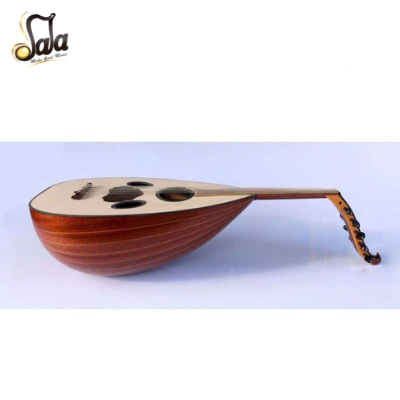
Biorąc pod uwagę kryteria odróżniające oudy od siebie, łatwo zauważyć, że oud syryjski jest wyższy od pozostałych. Niższa jest też jego wysokość brzmienia. Gdy przyjrzeć się pudłu rezonansowemu, bardziej przypomina ono gruszkę niż inne rodzaje ouda. Oudy egipskie są znacznie bogaciej zdobione niż inne odmiany. Gdy spojrzeć na brzmienie, jest droższy od pozostałych oudów. Z oudów syryjskich można wydobyć bardzo różne dźwięki.
W Sala Muzik dokładamy starań, aby zapewnić Ci najlepszą obsługę. Zebraliśmy dla Ciebie wszystkie produkty na naszej stronie. Obserwuj nas, aby poznać więcej informacji i produktów.
Może Cię zainteresować: Historia ouda


Good Afternoon Mr. Moran,
Thank you for reaching out with your inquiry about finding the perfect oud. It’s great to hear about your interest in exploring different styles beyond your Turkish oud.
Regarding the choice between Syrian, Iraqi, and Persian ouds, each has its unique qualities in terms of tone, timbre, and resonance. Typically, Syrian ouds are known for their warm, rich sound with excellent volume, making them very resonant. Persian ouds often exhibit a bright and clear tone, suitable for intricate melodic lines. Iraqi ouds, distinct for their floating bridges, offer a dynamic range of sound and allow for subtle tonal adjustments, which can enhance the instrument’s expressiveness. The floating bridge, indeed, adds a unique character by providing more vibration freedom, thus enriching the sustain and clarity of each note.
With a budget of £800, you are indeed in a good position to acquire a high-quality, professionally set up oud. The instrument I recommend, the Premium Arabic Oud Sala A9, falls within your budget and meets the criteria you described. It is hand-assembled and carefully checked to ensure a beautiful setup and sound. You can view and consider this model here: Premium Arabic Oud Sala A9.
https://salamuzik.com/products/premium-arabic-oud-sala-a9
As for the wood choices, each type offers different attributes:
Walnut: Known for its balanced tone, provides a warm yet bright sound.
Apricot: Rarely used but offers a lighter, very resonant tone.
Pamela: This wood is not commonly used in oud construction; perhaps you meant Padauk, which offers a rich and warm sound.
Cocobolo: Delivers deep and powerful tones with excellent sustain.
Purpleheart: Known for its density and stiffness, provides a vibrant and resonant sound.
For the soundboard, AAA cedar is an excellent choice known for its warm and clear sound, enhancing the oud’s overall tonality. An ebony fretboard and pegs not only add aesthetic value but also contribute to the clarity of the sound, thanks to ebony’s dense nature.
Please let me know if you need any more details or if there’s anything else I can assist you with. I’m here to help ensure you find an instrument that meets your artistic needs and inspires your music.
Kind regards
info@salamuzik.com
Good Afternoon, I wonder if you are able to help?
I am looking to buy an Arabic oud, and am thinking of getting either a Syrian, an Iraqi, or a Persian oud. Which would you say has the better range in tone, timbre, and sounds, and which has the most resonance and volume? (I already have a Turkish oud).
Also, does the Persian oud always have a floating bridge, and if so, is this a good thing improving the instrument? How does this affect the sound in contrast to a fixed bridge?
I am looking for a powerful Arabic sounding instrument, with lovely clear tonal ranges with sustain.
My budget is £800 UK sterling (US$950). Will I find a high quality hand assembled, beautifully set up and checked, professional instrument for this price? What are my options?
Lastly, I have also been looking at woods. Ideally I would like an ebony fretboard and pegs. For the sound board I am considering AAA cedar.
For the body I am unsure. What are your opinions of, and how would you describe the character of the following possibilities: Walnut; Apricot; Pamela; Cocobolo; Purpleheart woods?
Any advice would be very much appreciated.
Thank you.
Kind regards,
David Moran (UK)
The Strings are Nylon like a Classical Guitar so the tension will be fairly low. I find that Machine Head tuners are more practical than friction pegs cause w/ that many strings to keep in tune, Machine heads make a big difference. A built in tuner on an Oud also rocks because Nylon strings take a while to stretch, so it helps w/ tuning it to pitch.
I would like to add that the Moroccan ouds, besides the fact of being rare, are the direct descendant of the Andalusian oud developed by Ziryab starting from Oud Ramal, which could only be found in Andalusia (Spain) and northern Morocco.
The development of the modern Moroccan Oud through the centuries borrowed innovative wood working techniques from Italy, Greece, Germany and, of course, Turkey, Egypt, Syria, Iraq, and most of the middle-east. And in return new Oud architectures were exported to serve as a basis for other modern incarnations in the Oud playing countries.
The main characteristics of modern Moroccan Ouds can be summarized as follows:
- Tone versatility. The Moroccan Oud makers mastered the equalization techniques using innovative approaches to the structure.
- High power. The typical Moroccan Oud is a few decibels louder than its oroental counterparts.
- Higher basses without being “muddy”
- Excellent playability
- Wide choice of woods that the makers know how to handle
- Easy access to the best of the best of Moroccan walnut for the bowl, which is by far the most sought after material by professional recording artists.
- Tested and adopted by a wide range of famous artists, such as Said Chraibi, Farid Al Artrash, Mohamad Abd El Wahab, Tantawi, and many other professional artists and collectors.
I would like to see more Ouds from Morocco at Sala Muzik so our brothers and cousins around the world can enjoy this unique 10 centuries craftsmanship.
Leave a comment